Call for Presentations and Posters for ACS CERM 2026
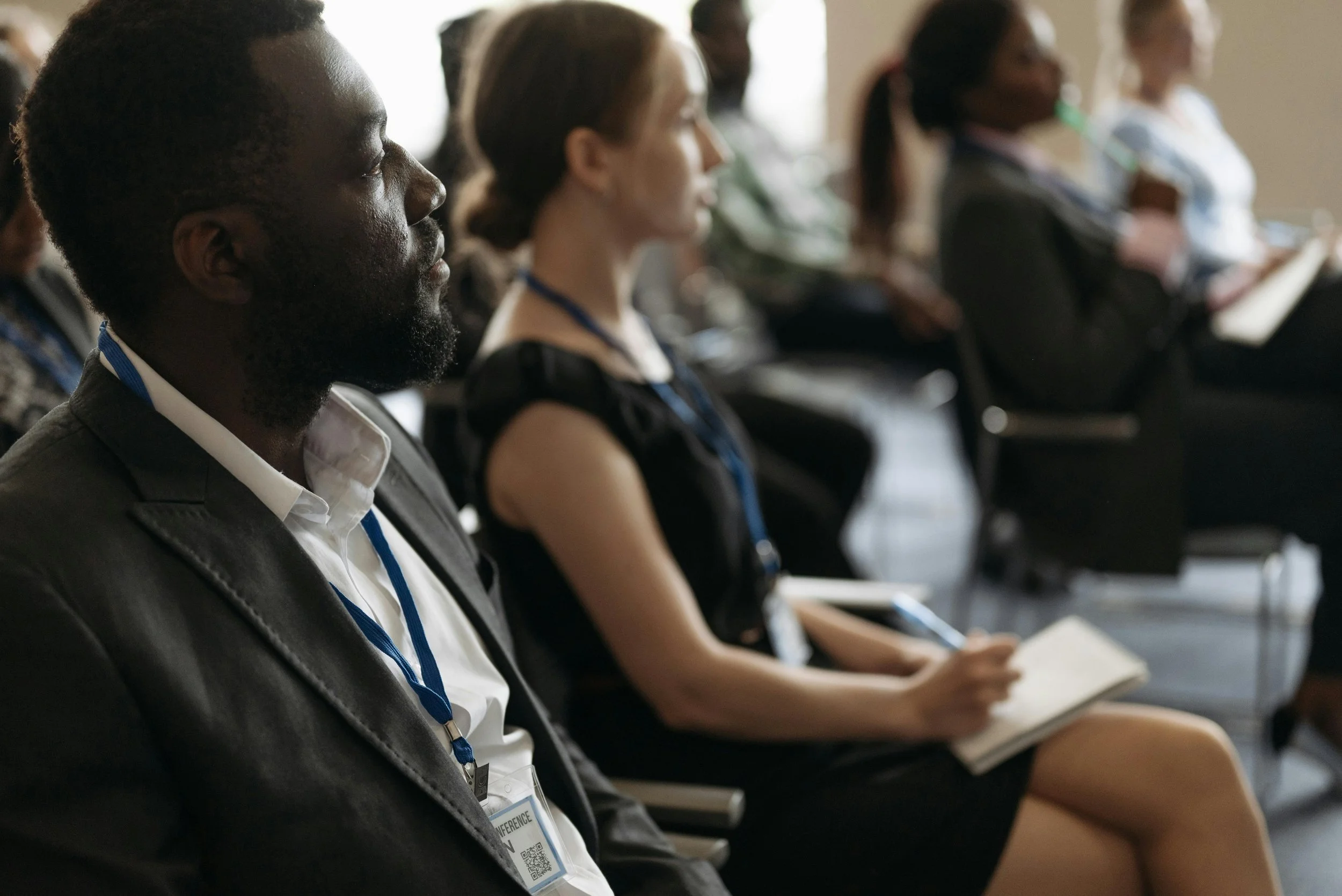
Chemistry Beyond Boundaries: Building Trust, Breaking Myths
Join us as we unite researchers, industry leaders, and community partners to explore how open, evidence-based chemistry can address global challenges and counter misinformation. Our symposium will feature sessions on a variety of topics, including polymers, sustainability, artificial intelligence, biologics, sensing, catalysis, and additive manufacturing. Together, we’ll bridge disciplines and sectors, reinforcing chemistry’s pivotal role as a catalyst for innovation.
Advanced Polymer Characterization
We invite you to share groundbreaking insights into polymer analysis. Whether through novel in situ spectroscopies, high-resolution scattering, microscopy techniques, or multi-modal approaches, your work can enhance our understanding of structure–property relationships.
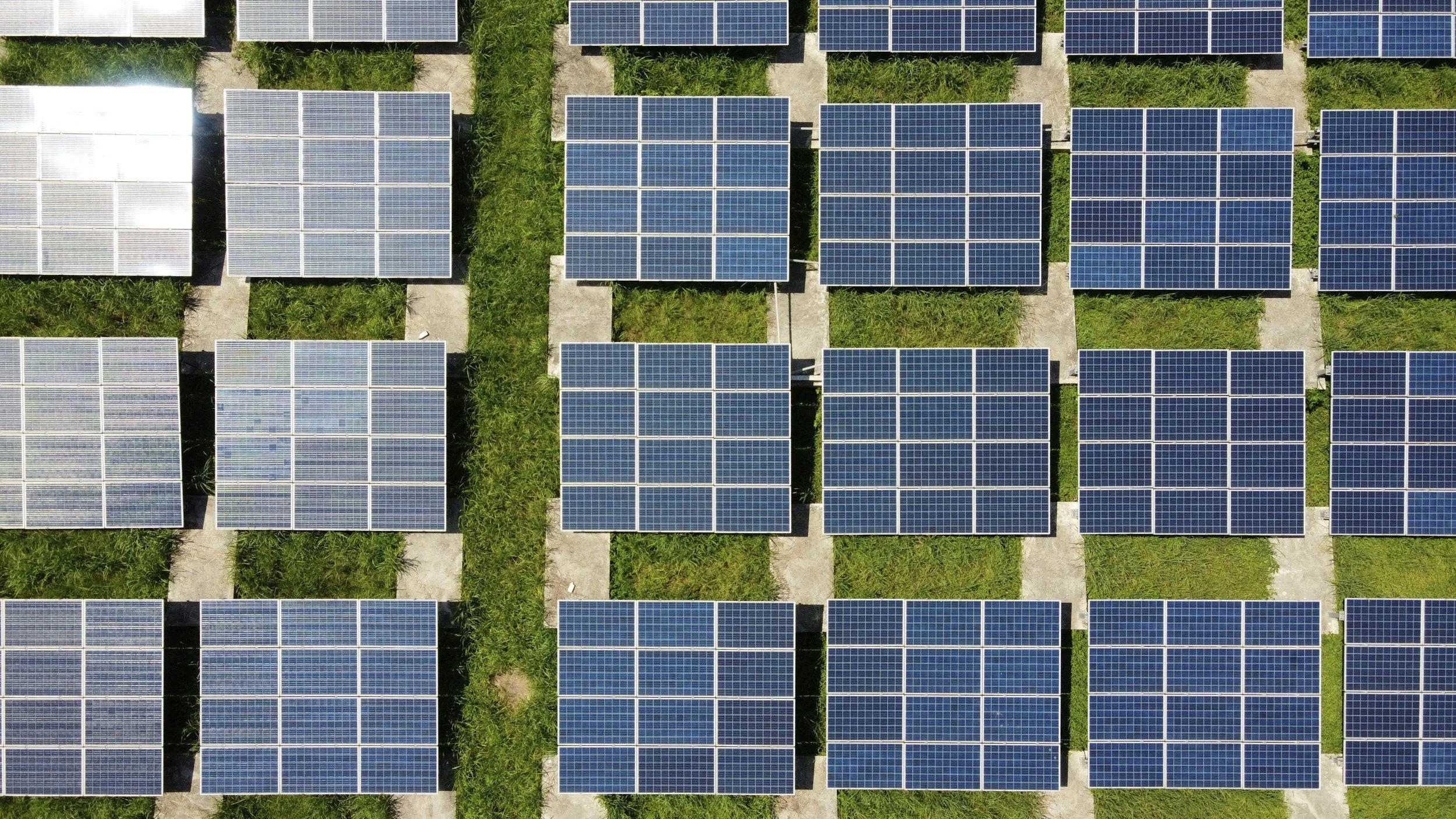
Sustainability & Renewable Energy
Contribute your latest advancements in green synthesis, circular-economy materials, or energy-storage and conversion technologies—ranging from bio-derived monomers to next-generation batteries and photovoltaics.

AI & Automation
Show us how artificial intelligence is revolutionizing your research. Whether through machine-learning models for reaction predictions, autonomous laboratory systems, or digital twins and virtual experiments, we want to hear your story.
Chemical Biology & Therapeutics
We welcome presentations on innovative bioconjugation strategies, genome-editing chemistries, small-molecule probes, and any other chemistry-driven therapeutic platforms that push the boundaries of the field.

Environmental Chemistry & Sensing
Share your latest developments in sensor technology—whether wearables, portable systems, or remote monitoring—as well as in situ remediation chemistries or community science initiatives that make an impact.
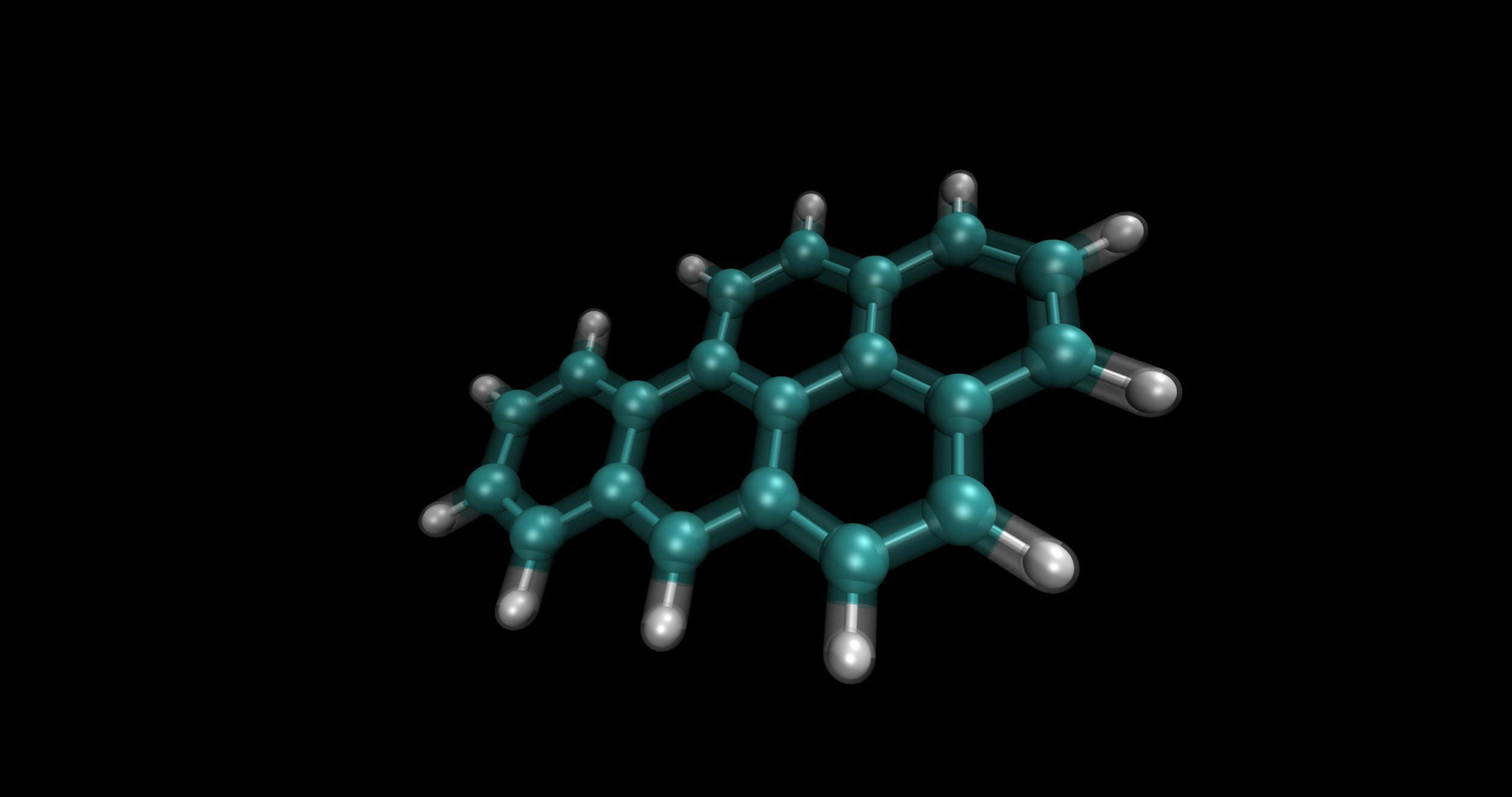
Advanced Catalysis
We’re eager to hear about your breakthroughs in catalysis—be it light-driven, field-Business Use effect, enzyme-inspired, or molecular-editing. Your work can help streamline syntheses and minimize waste.
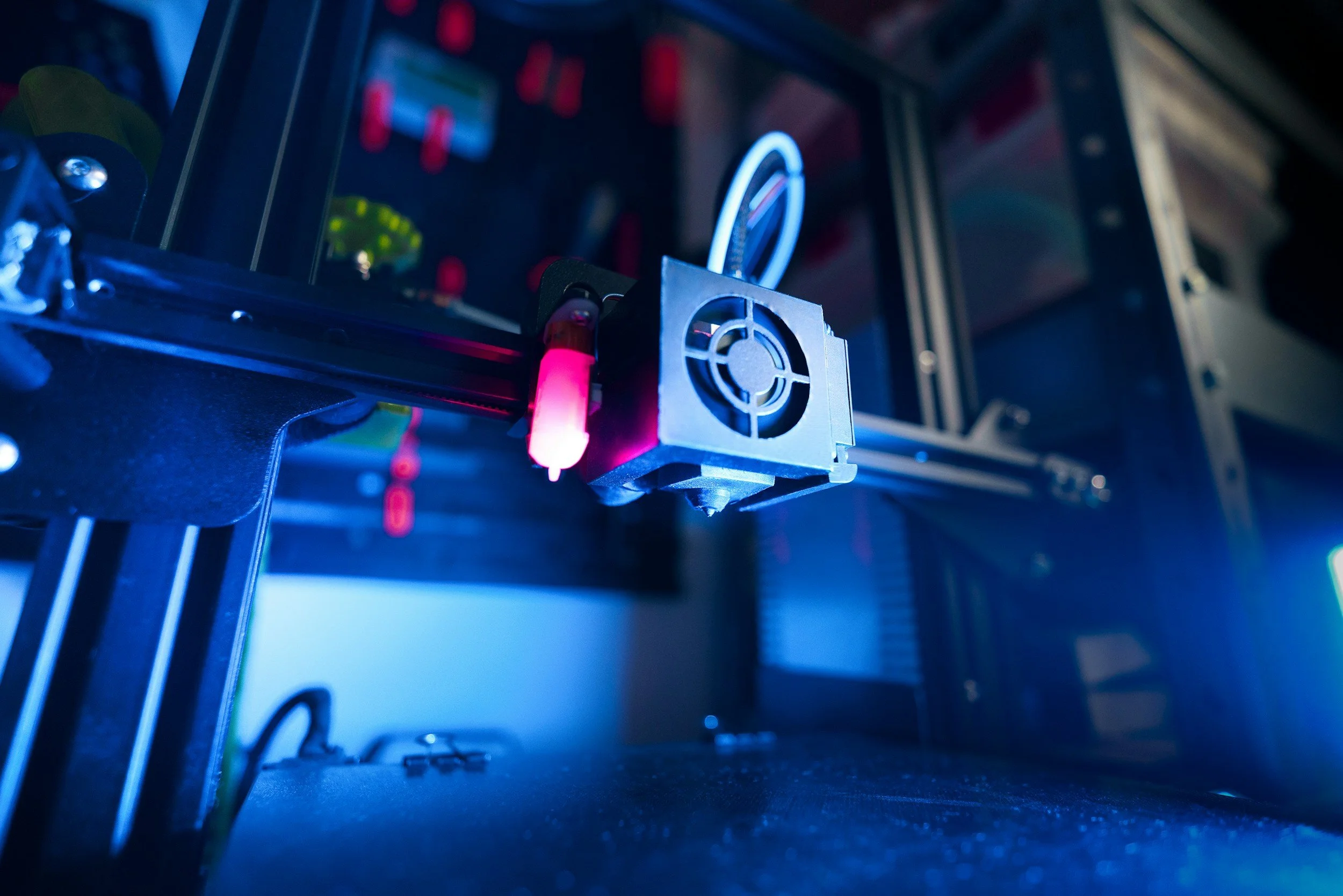
Additive Manufacturing of Advanced Materials
Present your insights into 3D printing and additive manufacturing techniques for functional catalysts, scaffolds, composites, or devices, regardless of scale.
Open Call: General Chemistry Topics
We encourage submissions across all areas of chemistry—including region-specific topics such as environmental health (e.g., Ohio River Basin studies), space and astrochemistry, metallurgy, synthetic biology, sports science, soft matter, microscopy innovations, among others. We especially welcome projects that transcend traditional boundaries or enhance public understanding of chemistry.
Submission Details
Talks: 20 minutes (+ 5 min Q&A)
Posters: 1 page (visual + summary)
Abstract Guidance: In 2–3 sentences, describe your work and briefly note how it advances trust, openness, or evidence-based practice in chemistry.